
Graphic Design for Stronger Video Marketing Campaigns
Connect graphic design and video through one message system, deliberate formats, accessible visuals, and a measurable audience path.
Campaign design · MHMedia LLC · September 18, 2026
Let’s talk about your project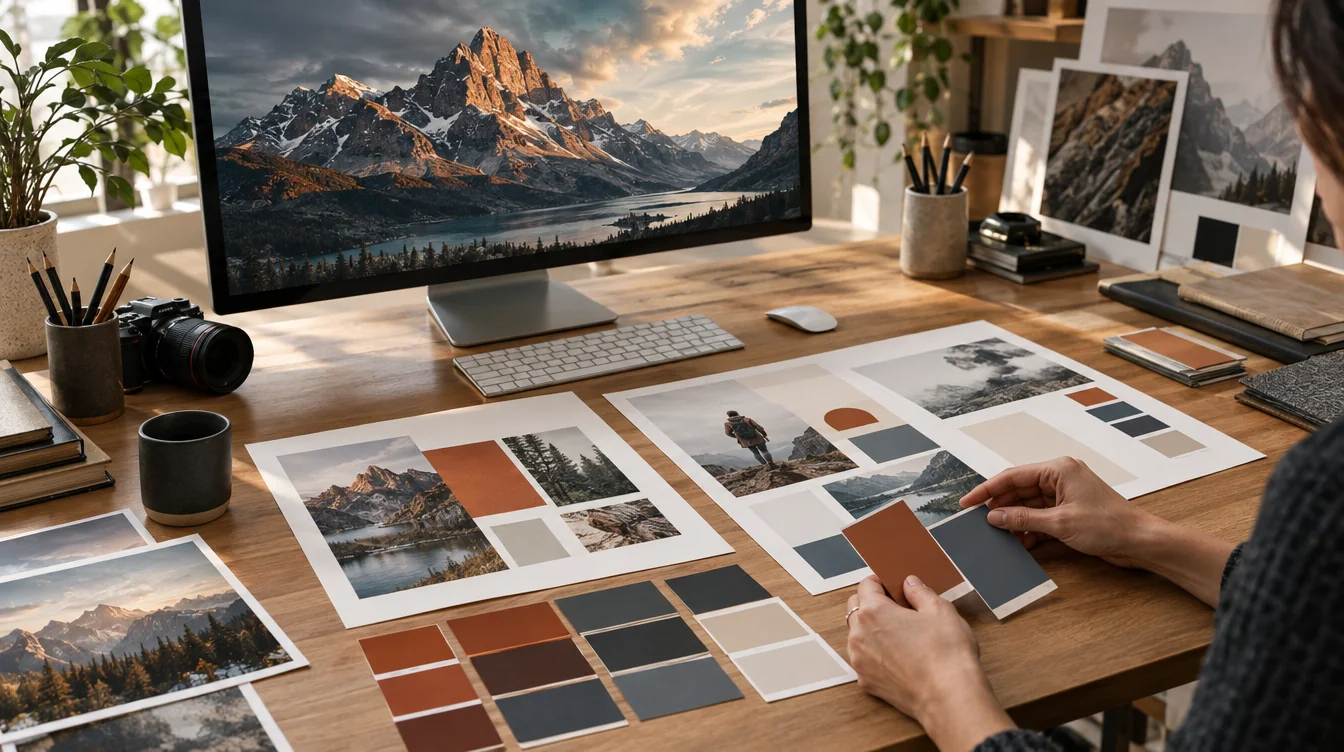
Graphic design for video marketing campaigns gives every audience touchpoint a shared visual language. The campaign may include a main film, short edits, a landing page, presentation, flyer, social graphics, event screen, or printed piece. Design helps those parts feel connected and makes the message easier to recognize and follow.
Consistency does not mean placing the same layout everywhere. Each format has a different viewing distance, duration, and amount of attention. The job is to preserve the campaign’s idea while adapting hierarchy, scale, motion, and calls to action for the place where people will encounter it.
Build a campaign message system first
Write the campaign’s audience, primary message, support points, and desired action on one page. Decide which words must stay consistent and which can adapt. Gather approved logos, colors, type guidance, photography, legal or partner requirements, and existing brand materials. Identify gaps before production begins.
Then define a small design system for the campaign: title treatment, type hierarchy, color roles, image approach, graphic shapes, captions, end cards, and call-to-action style. This gives video editors, web developers, presenters, and print vendors the same source of truth. It also makes later variations faster to create and easier to review.
MHMedia’s graphic design service supports print, presentations, campaigns, websites, and video materials. The scope can cover one focused piece or a coordinated set, including screen and print requirements and editable-file needs.
Design graphics for the way video is watched
On-screen graphics should be readable in the time available. Keep titles concise, give type enough contrast and scale, and allow viewers time to absorb names, steps, or data. Captions need legible placement and should not compete with other lower-screen graphics. Important information belongs inside the safe area for each intended format.
Plan horizontal, square, and vertical uses rather than relying on automatic cropping. A composition built for a presentation screen may lose its subject or text on a phone. Separate layouts can share assets while changing emphasis. Thumbnail and cover images should promise the content accurately; they should not make a claim the video does not support.
Graphic design can also explain what cameras cannot show directly. Maps establish location, diagrams clarify a process, chapter cards organize training, and restrained data graphics help viewers compare information. Every element should have a specific communication job. Decoration that adds clutter works against the campaign.
Connect the video to a clear next step
A campaign works as a path. Decide where each video or graphic sends the viewer and make that destination feel like part of the same experience. A landing page should repeat the promise, add the detail needed for a decision, and present one obvious action. Printed pieces and event screens may use a short address or QR code, but the destination still needs context and a mobile-friendly experience.
Coordinate design with website development and hosting when the campaign depends on forms, tracking, new pages, or ongoing updates. Coordinate it with commercial video production when scripts, end cards, offer language, and placement specifications need to work together from the start.
Review the complete set, then measure response
Campaign review often fails when every file is approved separately. Put the main video, short versions, graphics, page, presentation, and print pieces side by side. Check message order, terminology, dates, contact details, URLs, image rights, captions, contrast, and required specifications. Name one owner who can consolidate feedback and approve the final system.
Choose measures tied to the intended action. Those may include video completion, landing-page visits, form starts, qualified inquiries, downloads, event response, or use by a sales or recruiting team. Use tagged links or dedicated destinations where practical. No design guarantees a business result; a clear path and consistent measurement help the team learn which messages and formats support the goal.
Keep editable source files, approved exports, brand assets, and a simple usage note together. That handoff helps the business extend the campaign without introducing avoidable inconsistencies.
MHMedia LLC serves clients from Evans across Denver, Fort Collins, Greeley, Loveland, Boulder, Colorado Springs, Cheyenne, and Laramie, with travel for larger projects. Discuss an integrated campaign by bringing the audience, message, channels, required formats, existing assets, and deadline.
Your next project starts with a clear purpose.