
Using Drone Video in Commercial Production
Plan aerial footage as part of a focused commercial story, with clear shot purpose, site information, alternatives, and campaign deliverables.
Commercial video · MHMedia LLC · September 18, 2026
Let’s talk about your project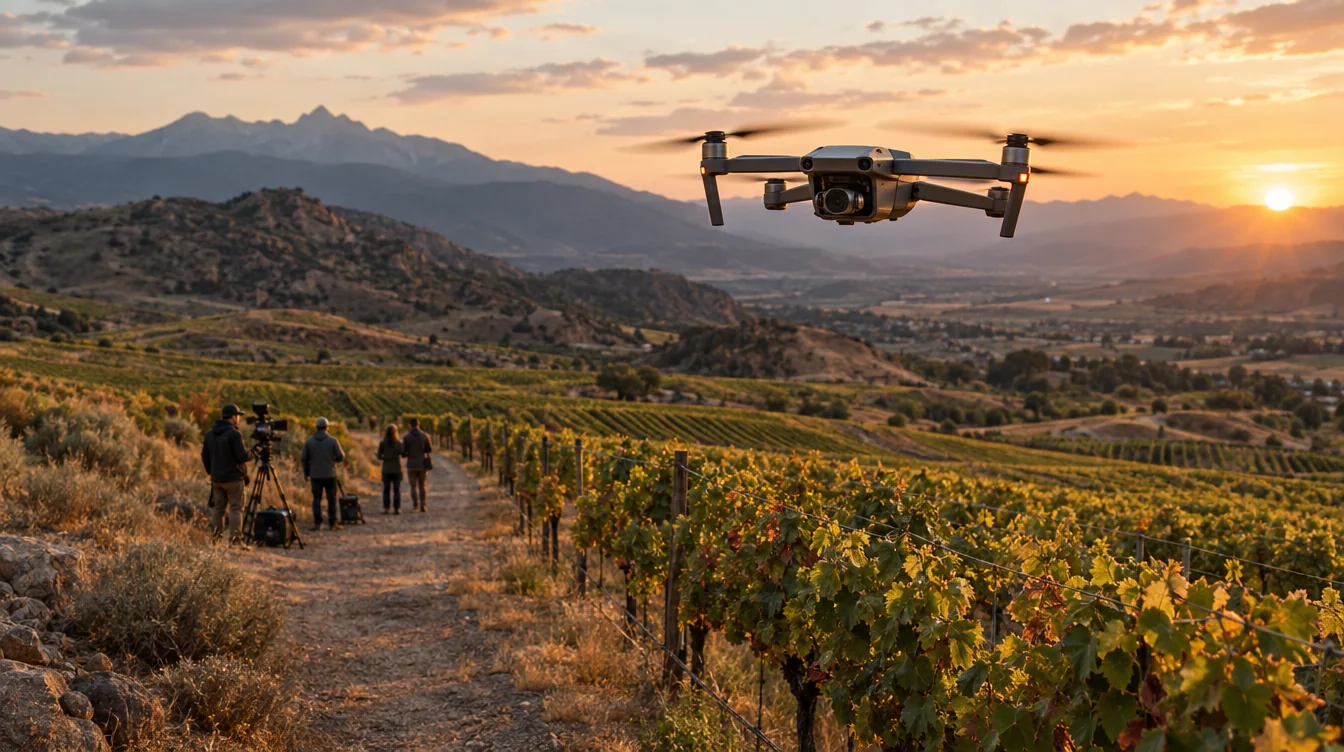
Drone video for commercial production is valuable when the view explains something the ground cannot. It can establish the scale of a facility, show the relationship between a property and its surroundings, follow movement through a landscape, or give a television commercial a memorable opening. The aerial shot earns its place by serving the message.
Start with the commercial’s single idea. Who should respond, what should they remember, what is the offer, and where will the spot run? A beautiful flight that does not support those answers can consume time without making the campaign clearer.
Give every aerial shot a job
Write aerial ideas into the shot plan using purpose, not only motion. “Reveal the customer entrance from the surrounding district” says more than “drone push-in.” “Show the full project footprint and then connect it to workers at ground level” creates an edit point and a narrative relationship.
Prioritize the views that matter most. Note the preferred direction, time window, activity on site, and how each image connects to interviews, product details, graphics, or a call to action. Plan ground-based alternatives too. Weather, airspace, permissions, nearby people, obstacles, site operations, or conditions on the day can change what is feasible.
MHMedia’s drone photography and video service plans aerial coverage around the intended use. A scope can define motion, stills, editing, delivery formats, and alternate crops. Aerial media is not a survey, engineering inspection, mapping accuracy guarantee, or promise that a flight can be approved.
Share site information before production day
Provide the address or map pin, site contact, access window, parking and staging details, restricted areas, nearby operations, and the views the business needs. Identify property-control questions and anyone whose activity may affect the plan. If the location is active, decide who can pause or redirect work and who has authority to approve the production position.
The production team assesses the site and current conditions before confirming the flight approach. Avoid building the entire concept around one aerial move that has no substitute. A strong commercial can use ground cameras, detail shots, existing approved media, graphics, or a different story beat if the aerial plan changes.
Integrate aerial coverage with the commercial
A TV commercial production needs more than striking images. The audience, offer, script, performance, sound, graphics, duration, placement, and call to action all shape the finished piece. Drone footage should match that visual language and leave enough time for the viewer to understand the message.
Plan the master edit and its variations together. Broadcast delivery, web pages, presentations, and social placements may require different durations, aspect ratios, captions, and safe areas. A wide landscape image may need a separate composition for a tall mobile frame. Define alternate versions in the scope so the shot list accounts for them during production.
Sound deserves equal attention even when the aerial image is silent. Voiceover, interviews, music, location sound, and the final mix determine how the spot feels and whether the message lands. Collect broadcaster or platform specifications before finishing, and confirm who is responsible for placement and any required approvals.
Measure the campaign, not the spectacle
Choose a response path the audience can follow: a dedicated landing page, trackable link, campaign phone number, offer code, or clearly tagged inquiry source where appropriate. Review reach and viewing signals alongside visits, qualified inquiries, and conversions that the business can responsibly connect to the campaign. Results are not guaranteed, and attribution is rarely perfect.
Footage may also create value across a website, presentation, recruiting piece, or documentary when those uses are planned and included. Reuse works best when the team knows which clean shots, alternate crops, or still frames it needs before filming.
MHMedia LLC is based in Evans and serves Denver, Fort Collins, Greeley, Loveland, Boulder, Colorado Springs, Cheyenne, and Laramie, with travel for larger productions. Discuss a commercial with aerial coverage by sharing the audience, offer, placement, location, timing, and priority views.
Your next project starts with a clear purpose.